Posts

Unlocking the Power of Natural Language Processing: Applications, Challenges, and the Future

Image
Natural Language Processing (NLP) is a revolutionary field of artificial intelligence (AI) that bridges the gap between human language and machines. By enabling computers to understand, interpret, and respond to human language, NLP is transforming how we interact with technology. This blog delves into the basics of NLP, its applications, challenges, and future potential—all within 500 words. What is NLP? NLP is the technology behind the interaction between humans and machines using natural language. It combines computational linguistics with machine learning and deep learning to process and analyze large volumes of language data. At its core, NLP enables machines to understand text and speech, identify patterns, and generate meaningful responses. Natural Language Processing (NLP) is a revolutionary field of artificial intelligence (AI) that bridges the gap between human language and machines. By enabling computers to understand, interpret, and respond to human language, NLP is transfor...

Revolutionizing Interactions with NLP: A New Era of AI

Image
 In an age where technology is deeply embedded in daily life, the ability of machines to understand and communicate in human language is revolutionary. Natural Language Processing (NLP), a key branch of artificial intelligence (AI), empowers computers to interpret, process, and generate natural language, enabling transformative applications across industries. From virtual assistants to real-time translation, NLP is reshaping the way we interact with technology. What is NLP? Natural Language Processing focuses on bridging the gap between human language and computer systems. By combining computational linguistics with machine learning and deep learning techniques, NLP allows machines to process and analyze large volumes of unstructured language data. Unlike programming languages, human language is inherently complex, ambiguous, and context-sensitive. NLP seeks to decode this complexity to enable meaningful human-computer interactions. Core Components of NLP Several foundational tasks...

The Future of DevOps: Emerging Trends to Watch

Image
 DevOps has become the backbone of modern software development, helping teams deliver high-quality software faster and more efficiently. But as technology advances, so do the practices and tools that drive DevOps. From improving security to leveraging artificial intelligence, the future of DevOps is filled with exciting trends that will reshape the way we build and deploy software. Here’s a closer look at some of the key trends to watch.   1. DevSecOps: Security at Every Step In today’s world, security can’t be an afterthought. That’s where DevSecOps comes in—integrating security practices into every stage of the DevOps Course in Jaipur pipeline. This approach ensures that vulnerabilities are caught early, reducing risks and avoiding costly fixes later.   Tools like Snyk and Aqua Security make it easy to automate security checks, ensuring that teams can maintain a strong security posture without slowing down their development cycles. As cyber threats continue t...

Career Paths in Data Science: Beyond the Role of Data Scientist

Image
 The data science landscape is evolving rapidly, offering diverse career opportunities beyond the conventional data scientist role. Let's explore some of the most exciting career paths available. 1. Data Engineer: The Backbone of Data Infrastructure Data engineers build data pipelines, ensuring seamless data flow within organizations. They design and maintain scalable systems that enable efficient data processing. Key Responsibilities: - Building and optimizing large-scale data pipelines. - Managing and integrating data from various sources. - Ensuring data quality and reliability. Importance: Without data engineers, even the most advanced data models would struggle to operate efficiently. They lay the foundation for data-driven insights. 2. Machine Learning Engineer: Bringing AI to Life  Machine learning engineers specialize in creating and deploying machine learning models that power intelligent systems. They focus on making these models scalable and efficient for real-worl...

The Data Science Workflow: From Raw Data to Insights

Image
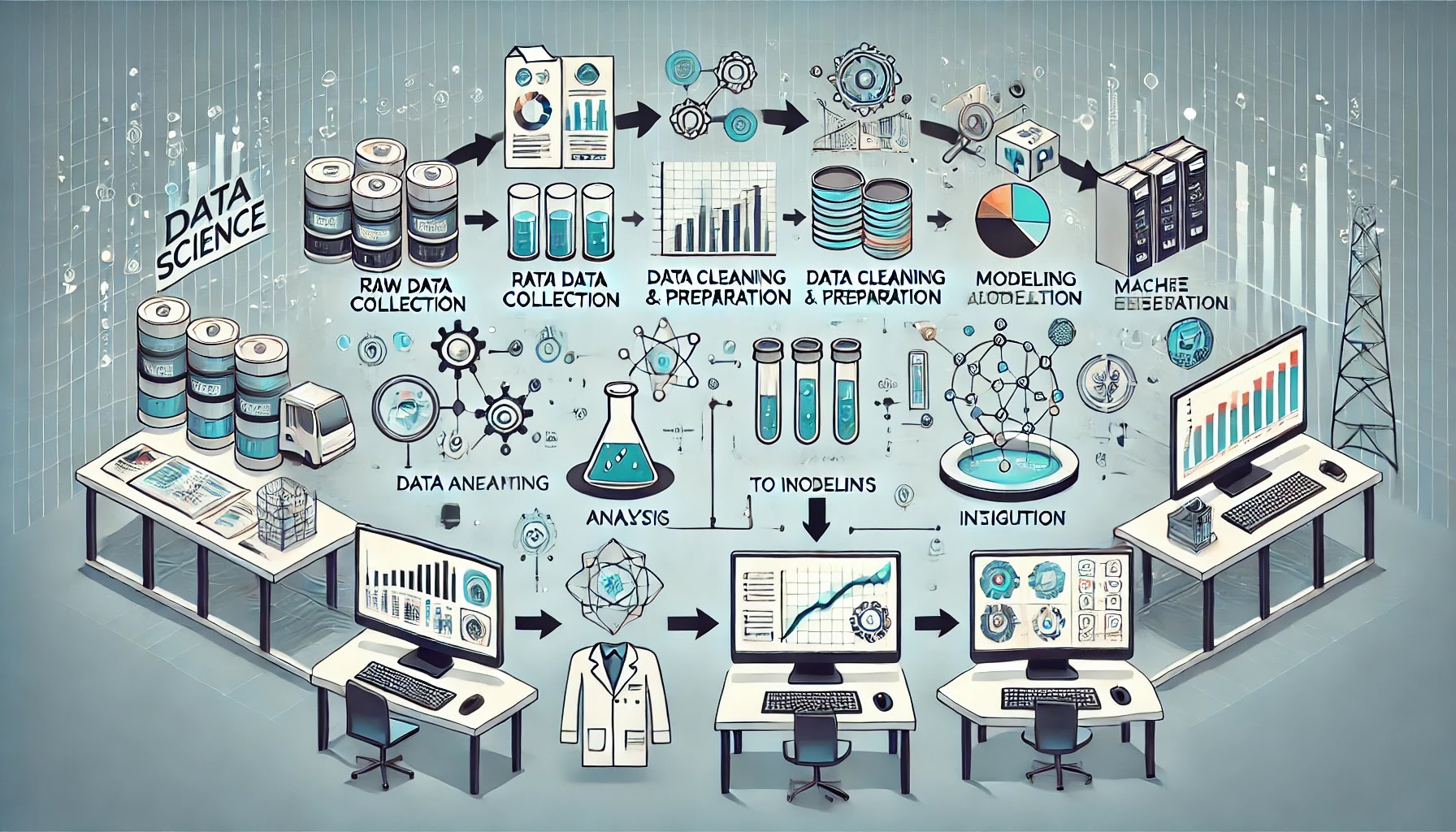
Data science is the art of transforming raw, unstructured data into actionable insights that drive decisions and innovation. While the field is vast, every successful data science project follows a structured workflow. This workflow ensures that data is properly handled, analyzed, and interpreted to meet the project's objectives. In this blog, we’ll explore the essential steps of the data science workflow, offering a roadmap for turning raw data into valuable insights. Step 1: Understanding the Problem   The journey begins with a clear definition of the problem. Before diving into the data, it’s crucial to ask:   - What are we trying to achieve?   - Who are the stakeholders?   - What decisions will the insights support?   Defining the goals and objectives ensures that the analysis stays focused and relevant. For example, an e-commerce company might want to predict customer churn to improve retention strategies. Step 2: Data Collection...

The AI Revolution: Transforming Full-Stack Development

Image
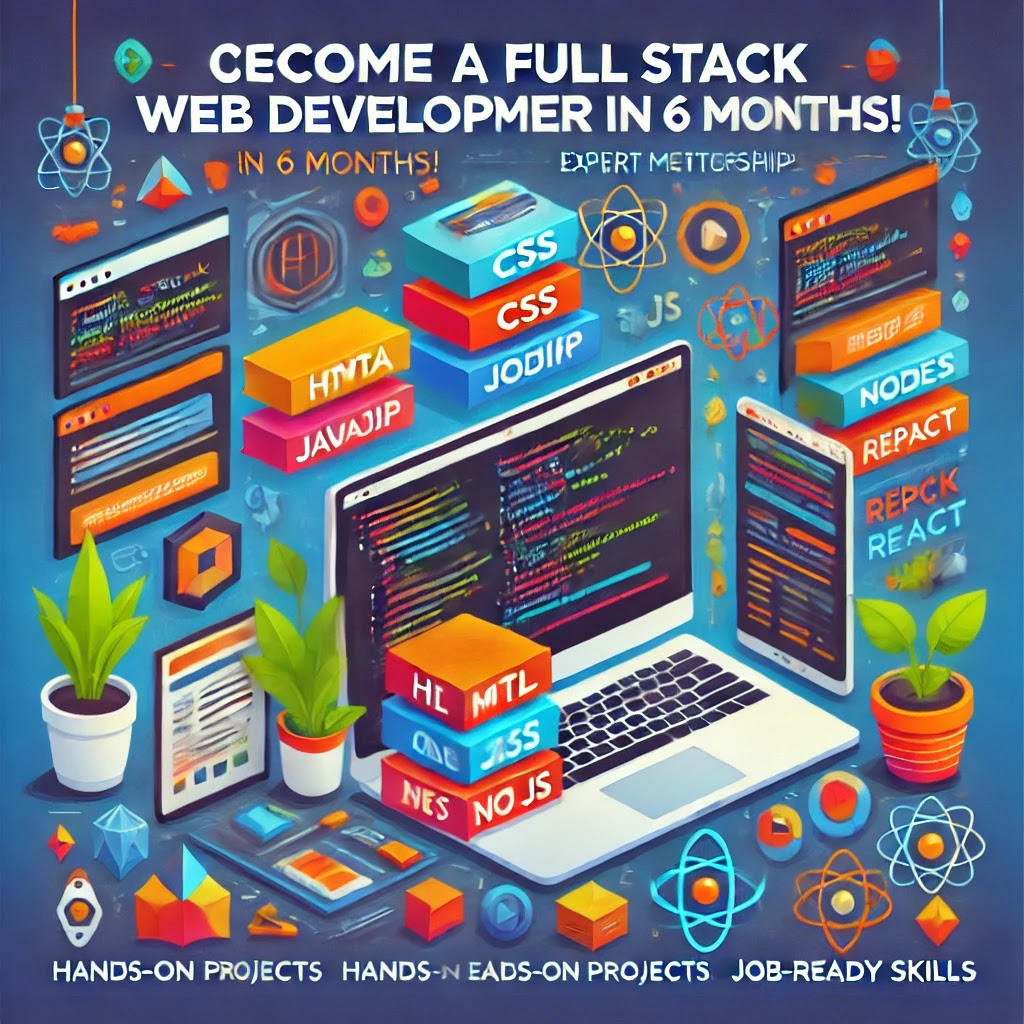
Imagine a world where apps predict what users need, code writes itself, and software evolves smarter every day. That world isn’t science fiction—it’s the present, powered by artificial intelligence (AI) and machine learning (ML). These cutting-edge technologies are reshaping full-stack development, enabling developers to create smarter, faster, and more engaging applications. Let’s dive into how AI and ML are revolutionizing full-stack development and redefining what’s possible in this dynamic field. 1. AI-Powered Front-End: Smarter User Experiences Gone are the days of static user interfaces. AI and ML are supercharging the front end, making apps more personalized and intuitive.   - Hyper-Personalization: Think of Spotify recommending your next favorite track or Netflix suggesting just the right series. AI analyzes user behavior and delivers tailor-made experiences.   - Voice and Visual Magic: Features like voice search and facial recognition are no longer exclusi...

Modern Backend for Full Stack Developers: Node.js vs. Django vs. Ruby on Rails

Image
In today’s web development landscape, choosing the right backend framework is essential for delivering fast, scalable, and maintainable applications. Three popular backend technologies — Node.js, Django, and Ruby on Rails — offer unique strengths and have dedicated communities. Understanding the differences and strengths of each can help full-stack developers select the best framework for their projects. 1. Node.js: The Power of JavaScript on the Server  Overview:   Node.js, an open-source, cross-platform JavaScript runtime, enables developers to use JavaScript on both the client and server sides. Known for its event-driven, non-blocking I/O, Node.js is well-suited for building real-time, scalable network applications. Key Features:- Asynchronous and Event-Driven:  Node.js handles multiple requests concurrently, which makes it ideal for I/O-heavy applications like real-time chats or streaming services. JavaScript Stack Consistency : Full stack developers familiar wi...